The most elegant way to solve a problem

is to prevent it...

From Reactive Crisis to Proactive Prevention

Open-heart surgery is a high-precision procedure, yet the immediate postoperative period remains a critical window. Recovery depends on the ability of chest tubes to stay clear and drain residual blood effectively. Recent clinical guidelines from EACTS emphasize that effective chest tube drainage is essential for patient recovery1. When these tubes obstruct—which occurs in as much as 36% of patients2—the consequences are severe: excessive bleeding, retained blood syndrome, and the high-risk necessity of surgical re-exploration3, 4.

Traditionally, a reoperation is the only way to clear these clots—a reactive process of reopening and rinsing the chest. However, evidence highlights that surgical re-exploration for bleeding is a major independent predictor of adverse outcomes, significantly increasing 30-day mortality4. The Haermonics Pure System addresses this challenge by targeting the problem at its source.

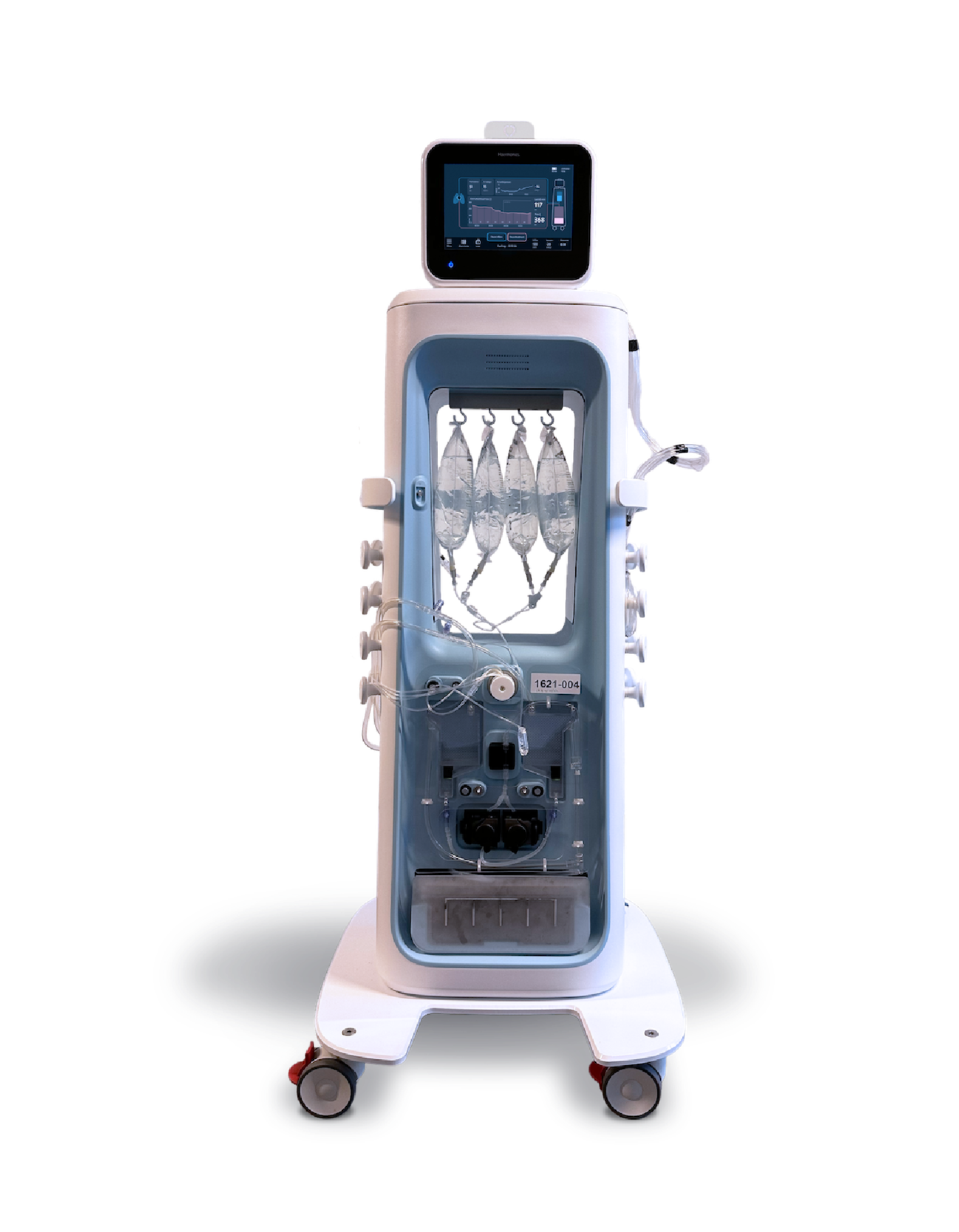
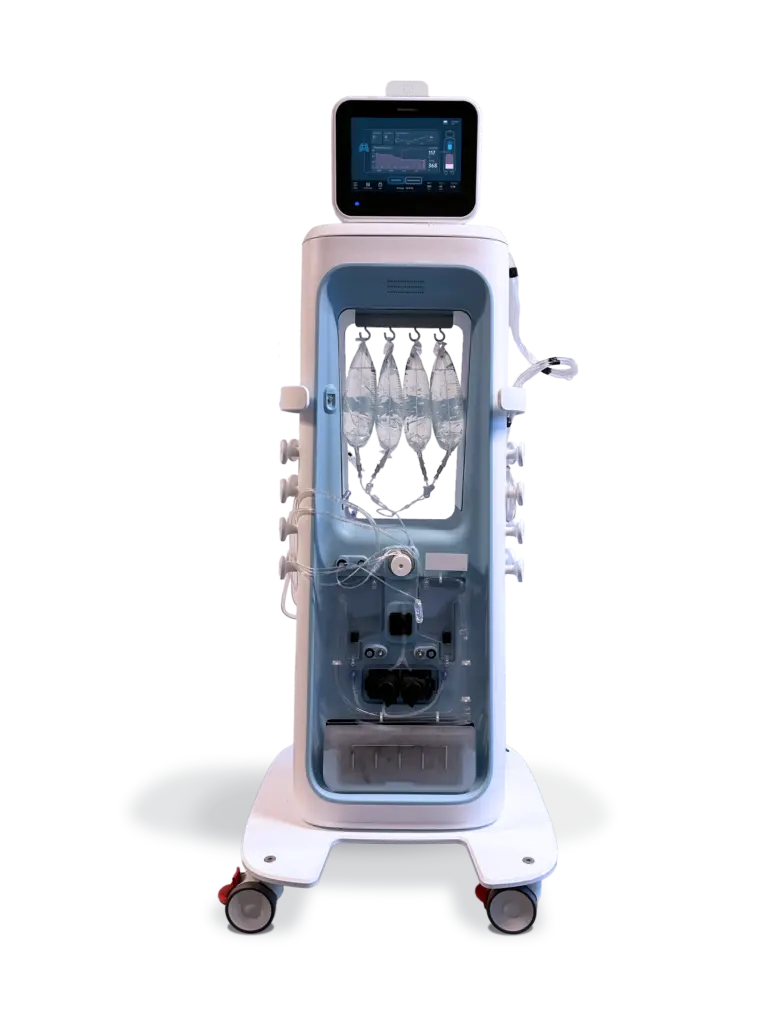
The Haermonics Pure System

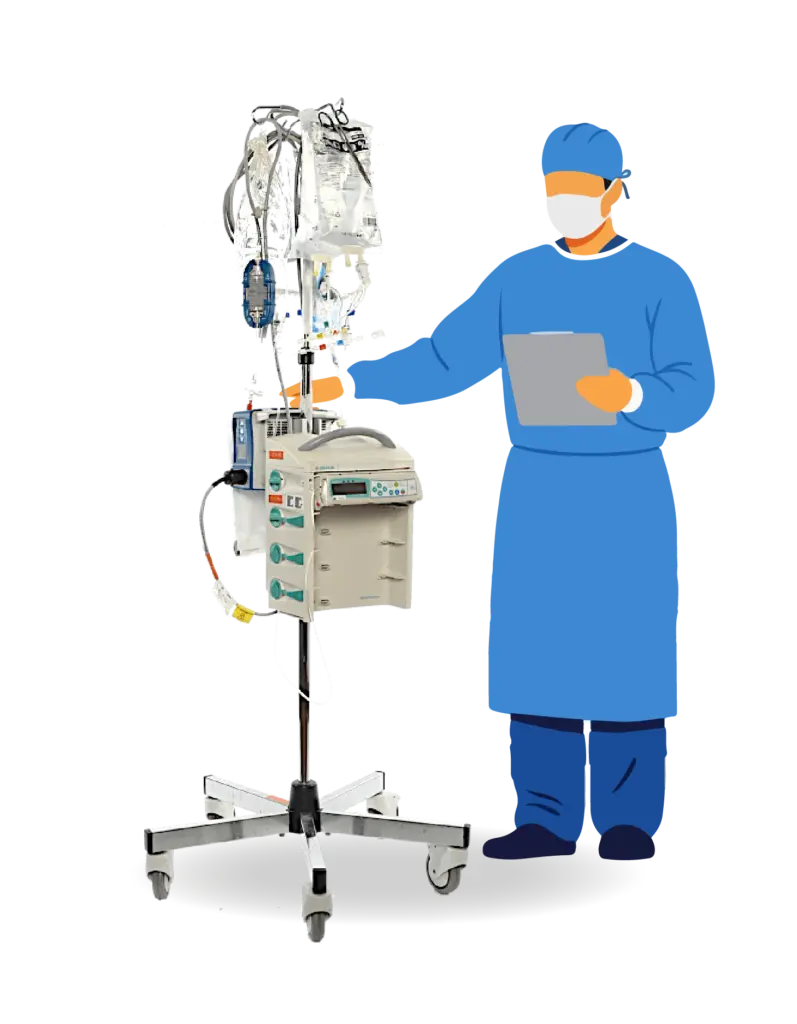
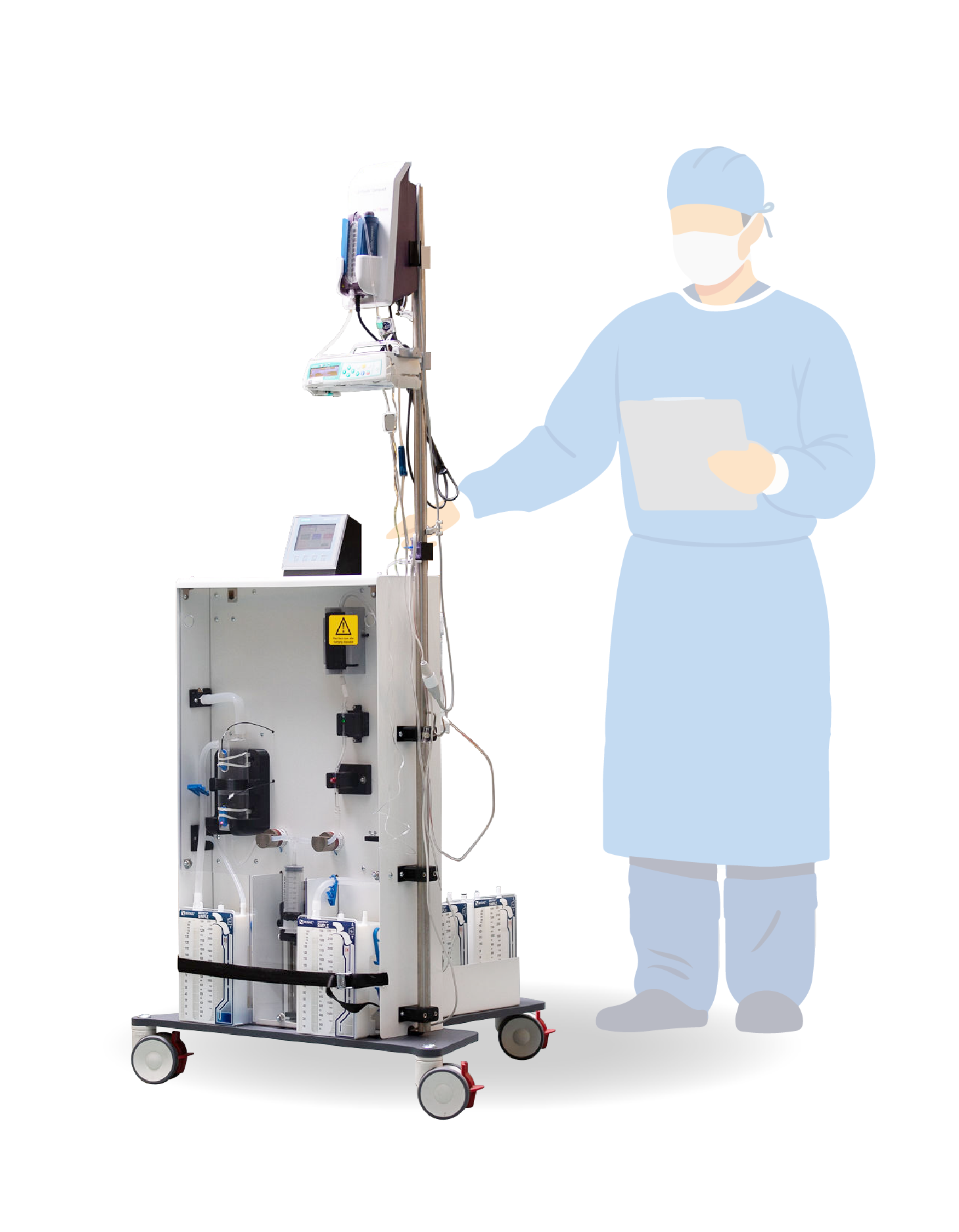
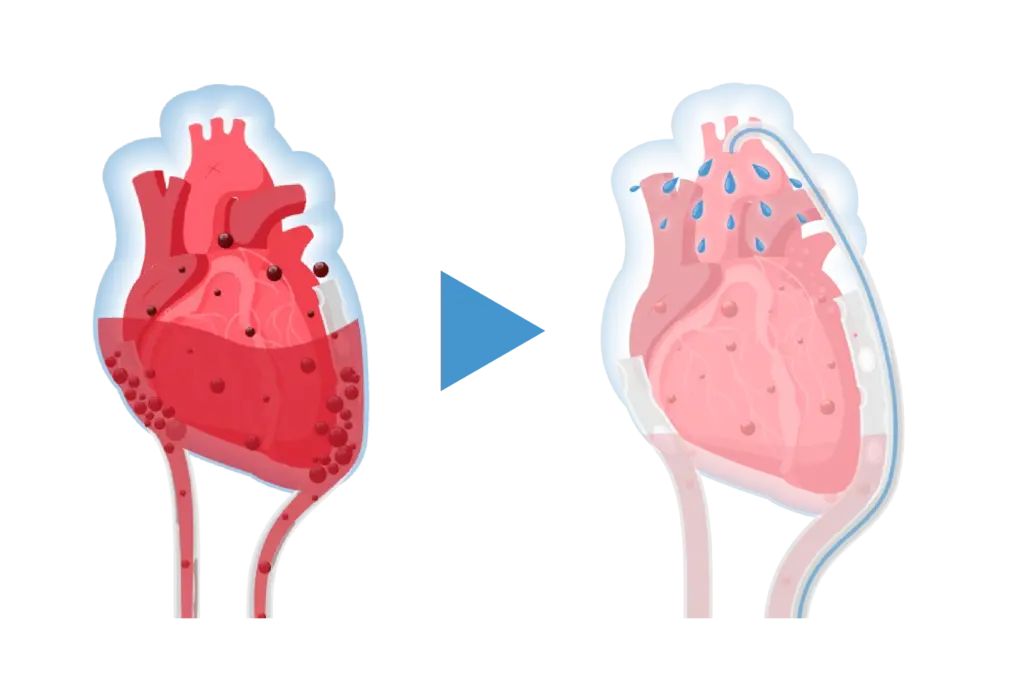
We bring cardiac drainage into the 21st century by automating the solution surgeons already utilize in the operating room. The Haermonics Pure System is designed for immediate intervention, immediately upon surgical closure. Our technology facilitates Continuous Postoperative Pericardial Flushing (CPPF), maintaining a steady flow of saline to prevent clot formation and ensure tube patency from the very first moment of recovery5 – 9. By transitioning from reactive emergency care to proactive prevention, we provide clinical teams with real-time insight and standardized support for the postoperative patient. The statistical strength of this approach is established by a robust lineage of clinical evidence, including an individual patient-data pooled analysis of 744 patients5:
  • Significant Reduction in Reinterventions: A meta-analysis demonstrated a statistically significant 40% reduction in overall pericardial reinterventions, dropping from 11.7% in control groups to 7.0% with CPPF (p=0.044)5.
  • Bleeding Management: Data from randomized multicentre controlled trials showed a significant benefit of CPPF in reducing the median chest tube output at 8 hours, recorded at 270 mL compared to 355 mL for standard drainage (p=0.02)9.
  • Clinically Proven Success: A hierarchical Win Ratio analysis of 61,620 patient pairs resulted in a Win Ratio of 1.73 (p<0.0001), demonstrating that patients treated with CPPF have a significantly higher likelihood of better clinical outcomes across re-explorations, transfusions, and drainage volume5.
The Haermonics Pure System does not just manage post-operative drainage; it designed to prevent the complications that follow it. Pooled data confirms that CPPF maintains a safety profile comparable to standard care, with no increase in infections, pleural interventions, or other postoperative complication rates compared to standard care5, 9.
“There is no successful heart surgery
without successful post-operative care”

David R. Koolbergen, M.D. Ph.D.

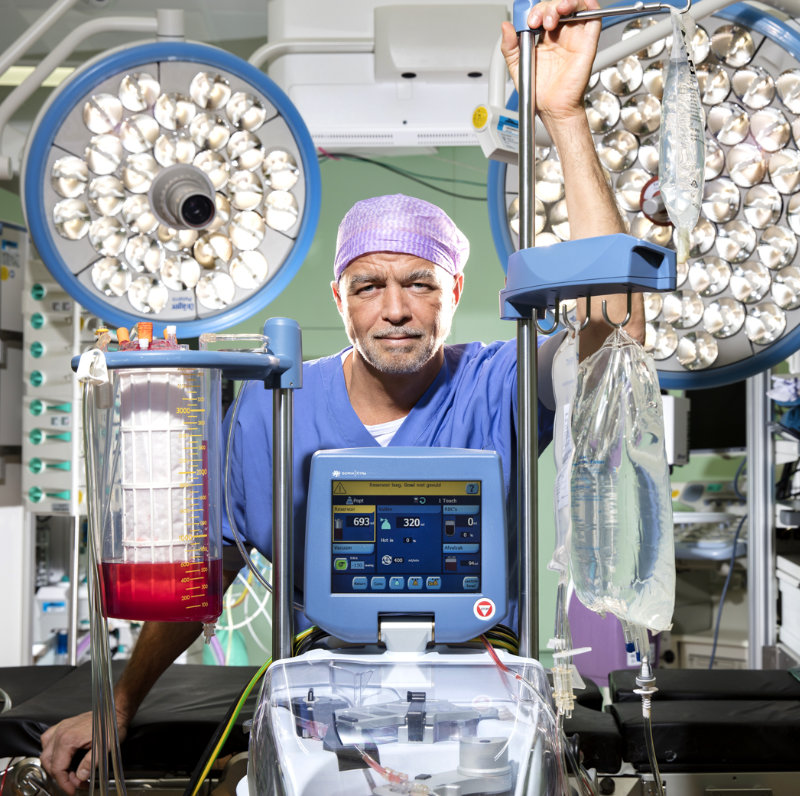
Inventor of the therapy
Congenital Cardiothoracic Surgeon at Amsterdam UMC / Leiden UMC

Clinically Validated Performance.

The Haermonics Pure System is supported by an extensive clinical history established through a robust development phase. Our first prototype delivered the foundation of our clinical evidence with a pilot study6 and 2 RCTs7, 8. The second investigational device proved efficacy in a multi-center RCT building our patented technology foundation for automating the procedure9. The data was pooled showing both safety & efficacy evidence, and technological proof of concept for what is needed for a fully automated solution5.
First prototype

2013

1 pilot trial6

2 RCTs7-8

Investigation device

2020

1 multi-centre RCT9

FDA breakthrough

Product

2026

1 usability study

Unlike many emerging technologies, our approach is based on a combined cohort of 744 patients. This pooled data demonstrates significant improvements in postoperative management:
  • 34% Reduction in median bleeding: median chest tube output at 8 hours was reduced to 225 mL compared to 340 mL in control groups (p < 0.001)9.
  • Lower re-intervention rates: total pericardial re-interventions dropped from 11.7% to 7.0% (p = 0.044)5.
  • Optimized bleeding categorization: 64.9% of patients achieved the “Insignificant Bleeding” category (UDPB)10, compared to 55.7% in the control group (p = 0.041)5.
By mitigating postoperative complications through a proactive, data-driven approach, the Haermonics Pure System aligns with the 2026 ERAS Guidelines for Institutional Patient Blood Management11. We provide a validated clinical solution designed to protect the surgical result throughout the critical recovery phase.

References

[1] Casselman, F. P. A., et al. 2024 EACTS/EACTAIC Guidelines on patient blood management. European Journal of Cardio-Thoracic Surgery. 2024. 67(5).

[2] Karimov JH, et al. Incidence of chest tube clogging after cardiac surgery: a single-center prospective observational study. Eur J Cardiothorac Surg. 2013.

[3] Niemann B, Grieshaber P. Retained blood syndrome after cardiac surgery. Eur J Cardiothorac Surg. 2025.

[4] Čanádyová J, et al. Re-exploration for bleeding or tamponade after cardiac operation. Interact Cardiovasc Thorac Surg. 2012.

[5] Klautz, M. J. (2024, October). Clinical impact of continuous postoperative pericardial flushing on bleeding-related complications after cardiac surgery: A pooled analysis. [Oral Presentation]. 38th EACTS Annual Meeting, Lisbon, Portugal.

[6] Manshanden JS, et al. Continuous postoperative pericardial flushing: a pilot study on safety, feasibility, and effect on blood loss. EBioMedicine. 2015.

[7] Diephuis E, et al. Continuous postoperative pericardial flushing method versus standard care for wound drainage after adult cardiac surgery: a randomized controlled trial. EBioMedicine. 2020.

[8] Diephuis E, et al. Continuous postoperative pericardial flushing reduces postoperative bleeding after coronary artery bypass grafting: a randomized trial. EClinicalMedicine. 2020.

[9] Molenaar MA, et al. Effects of Continuous Postoperative Pericardial FLUshing with Investigational Device on Postoperative Re-Explorations for Bleeding (FLUID)—Randomized Clinical Trial. J Clin Med. 2026; 15(6): 2151.

[10] Dyke C, et al. Universal definition of perioperative bleeding in adult cardiac surgery. The Journal of Thoracic and Cardiovascular Surgery. 2014;147(5):1458-1463.

[11] Batchelor TJP, et al. Guidelines for Perioperative Care in Cardiac Surgery: Enhanced Recovery After Surgery (ERAS) Cardiac Society Recommendations. JAMA Surgery. 2026.


Working principle
The Haermonics Pure System

Join the journey?

Share your email address with us and we’ll share important milestones and developments with you.

About Haermonics

Since 1875, cardiac drainage methods have remained largely unchanged despite the persistent risk of post-operative complications. At Haermonics, we didn’t just think we could improve this standard—we proved it.

As a clinical-stage medtech company, we developed the Haermonics Pure System, an innovative flush therapy designed to proactively prevent post-operative cardiac surgery complications. By maintaining clear drainage, we eliminate the guesswork and risks associated with traditional methods.

The vision

Since 1875, cardiac drainage methods have remained largely unchanged despite the persistent risk of post-operative complications. At Haermonics, we didn’t just think we could improve this standard—we proved it.

As a clinical-stage medtech company, we developed the Haermonics Pure System, an innovative flush therapy designed to proactively prevent post-operative cardiac surgery complications. By maintaining clear drainage, we eliminate the guesswork and risks associated with traditional methods.

Our Commitment

Experienced core team

Our team integrates a wealth of experience across the entire medical device lifecycle, bringing together specialized expertise in several domains. By combining these diverse roles, we ensure that our innovation is not only technically superior but also rigorously validated and prepared for global clinical adoption.

Arash Dodge
CEO
Portrait of Luc Koch
Luc Koch
CTO
Portrait of Katarzyna Feliksik
Katarzyna Feliksik
QA &RA Director
Samuela Loosli
Marketing and compliance Lead
Portrait of Pleuni Lodies
Pleuni Lodiers
Biomedical Engineer
Lian van Lippen
Clinical Trial Lead
Portrait of Konstantinos Tsakalis
Konstantinos Tsakalis
Software Engineer

Specialised and trusted advisory panel

Our strategic direction is further refined by a diverse Advisory Panel that provides a 360-degree view of the cardiac surgery ecosystem. Their combined wisdom ensures the Haermonics Pure System addresses the specific clinical and economic needs of surgeons, intensive care units, hospital administrations, and payers alike.

Dr. David Koolbergen
Amsterdam UMCInventor, Cardiothoracic surgeon
Prof. Pieter Kappetein
MedtronicVP, Chief Medical Officer Cardiac Surgery
Dr. Kayan Lam
Catharina ZiekenhuisCardiothoracic Surgeon
Eva Wisse
Catharina ZiekenhuisManaging Director Heart Centre
Wim Snoeks
MedtronicFormer Business Manager Cardiovascular Technologies
Nils van Herpen
VGZInnovation and Investment Manager

Strong partnerships

Get in touch

Haermonics Head office
Microlab
Kastanjelaan 400
5616 LZ Eindhoven
The Netherlands